News

Hip Hop Jewelry: More Than Bling

2026-02-05 0 Leave me a message

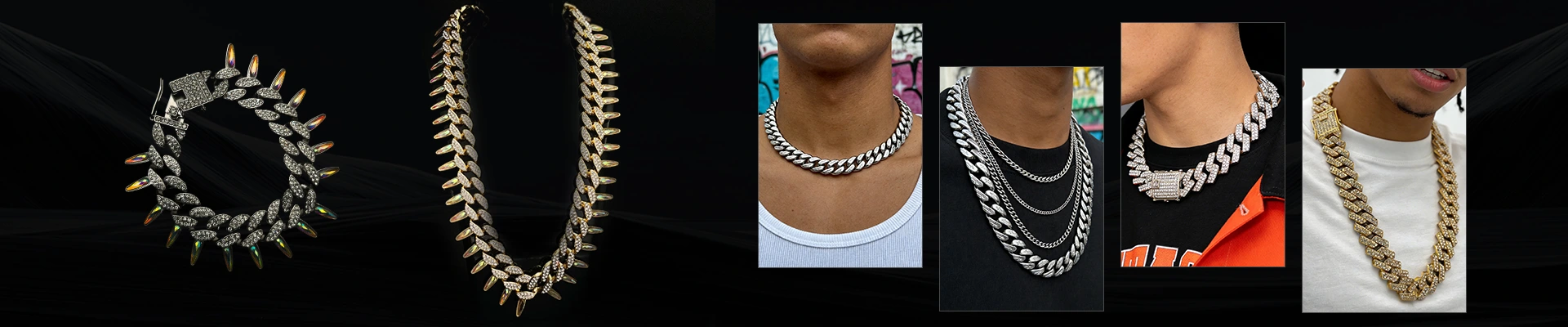
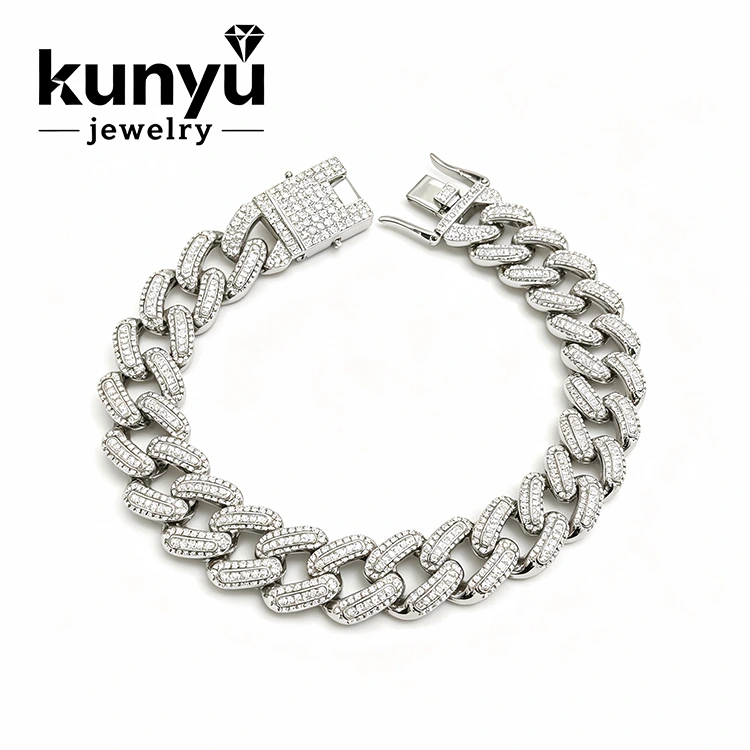
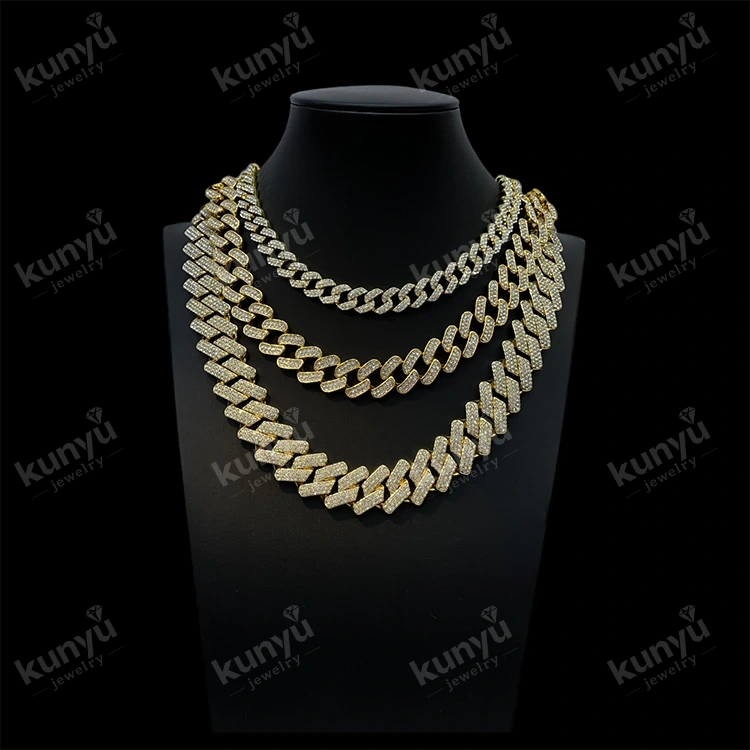
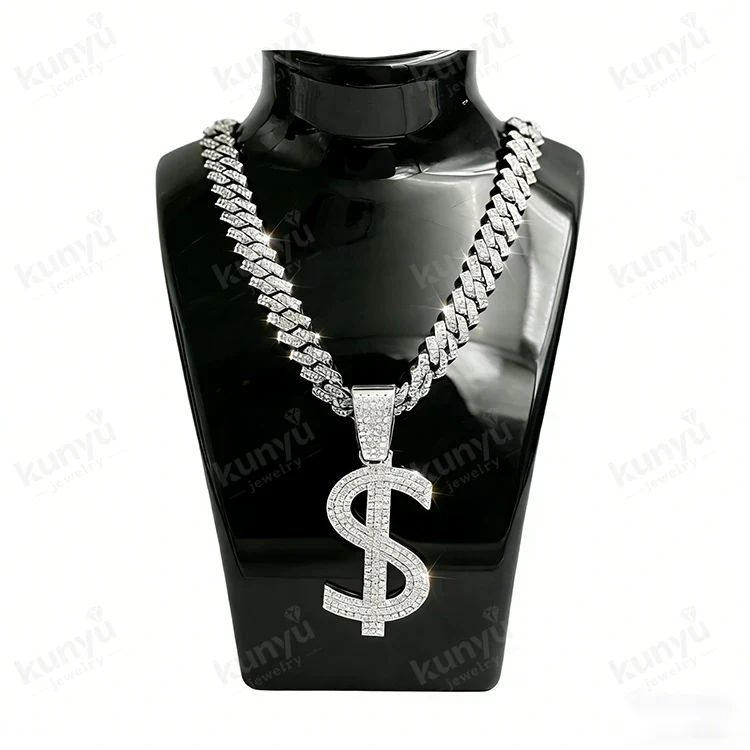
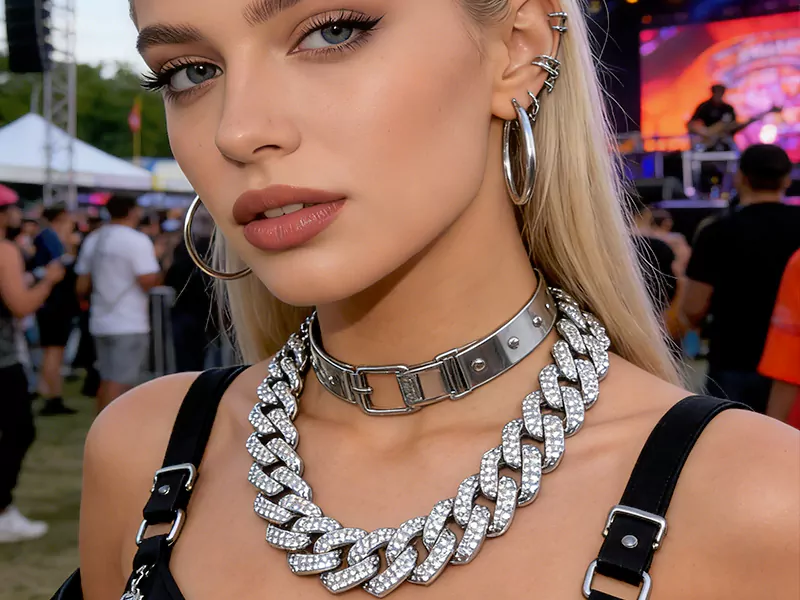
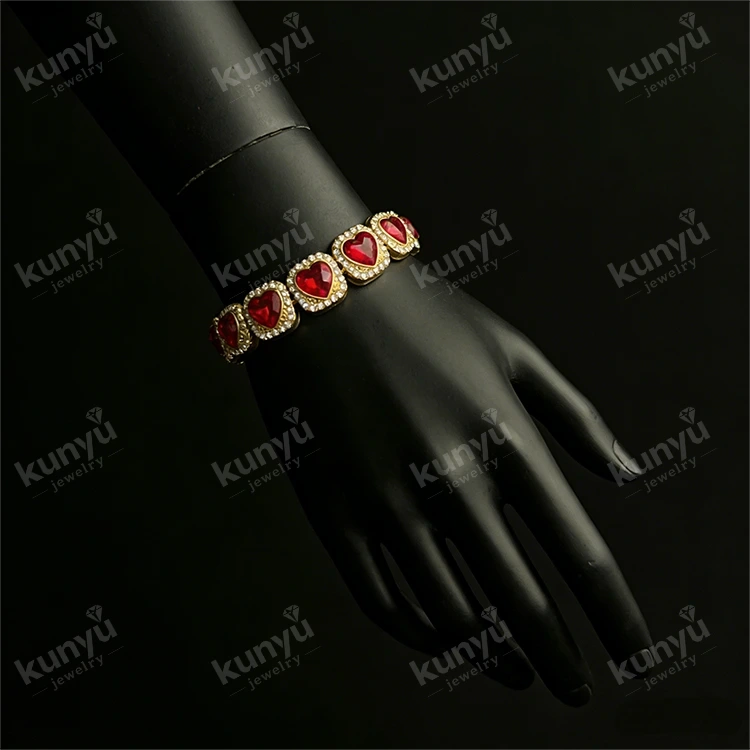
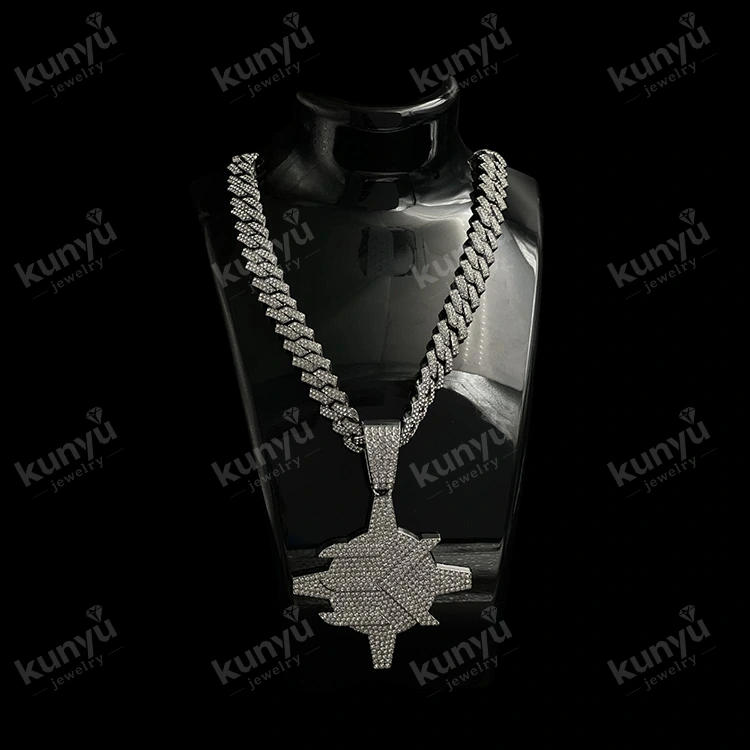
Hip hop jewelry, often called "bling," is far more than just flashy ornamentation. It's a physical manifestation of success, identity, and cultural history. Emerging from the streets of New York in the late 70s and 80s, it was a direct response to a climate of economic disparity. For artists and communities who had been systematically marginalized, acquiring and displaying large, gold, diamond-encrusted pieces was a powerful, defiant statement. It screamed, "We have arrived, and we are thriving."

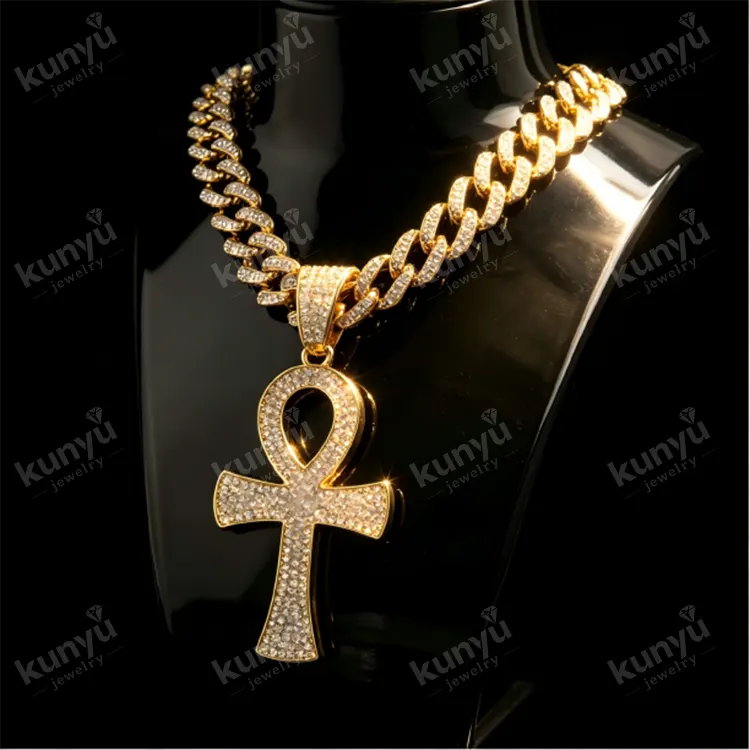
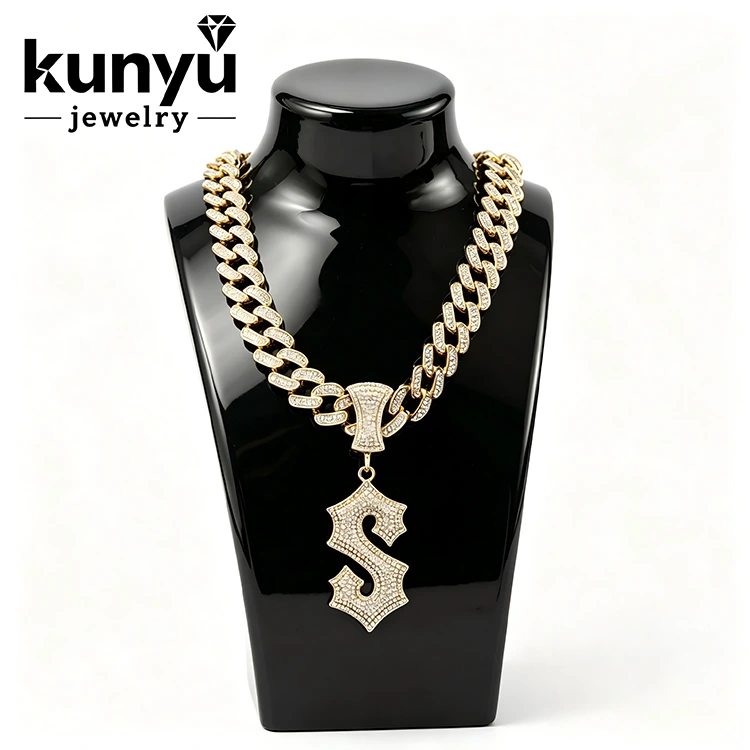
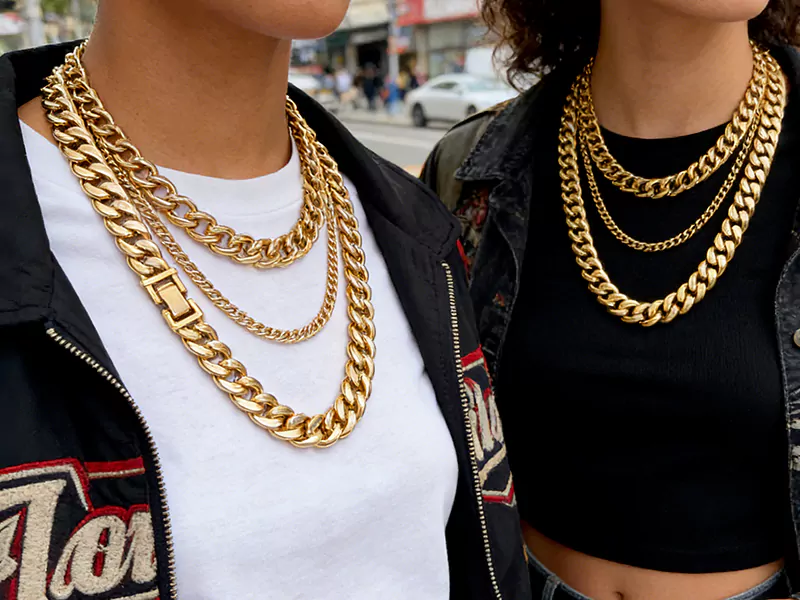
The evolution is clear. Early pioneers like Run-D.M.C. popularized thick gold ropes and oversized nameplates, symbolizing unity and street credibility. The "Dookie" rope chain, with its linked, bubble-like segments, became an iconic staple. As hip hop grew into a global powerhouse in the 90s and 2000s, the jewelry scaled up accordingly. Artists like Notorious B.I.G. and later Lil Wayne, Jay-Z, and Birdman turned it into high art, collaborating with jewelers to create one-of-a-kind, custom masterpieces featuring dizzying carats of diamonds, intricate designs, and personal symbolism—from Jesus pieces to massive medallions representing record labels.

Today, hip hop jewelry remains a core pillar of the culture, but its meaning has expanded. While it still represents hard-won success, it also speaks to artistic expression, individuality, and legacy. Modern pieces are often heirlooms, passed down or collected as art. From the symbolic defiance of its origins to the celebrated luxury of today, hip hop jewelry tells a story of resilience, triumph, and unapologetic self-expression.

Related News
Leave me a message
X
We use cookies to offer you a better browsing experience, analyze site traffic and personalize content. By using this site, you agree to our use of cookies. Privacy Policy
Reject Accept